


Maniema: Local Communities Take Charge of Managing More Than 52,000 Hectares of Forests
Posted on 2026-09-21 - Catégorie: EnvironmentCommunity Forest Governance: A New Step Toward Conservation and Recognition of Community Rights in Southern Maniema
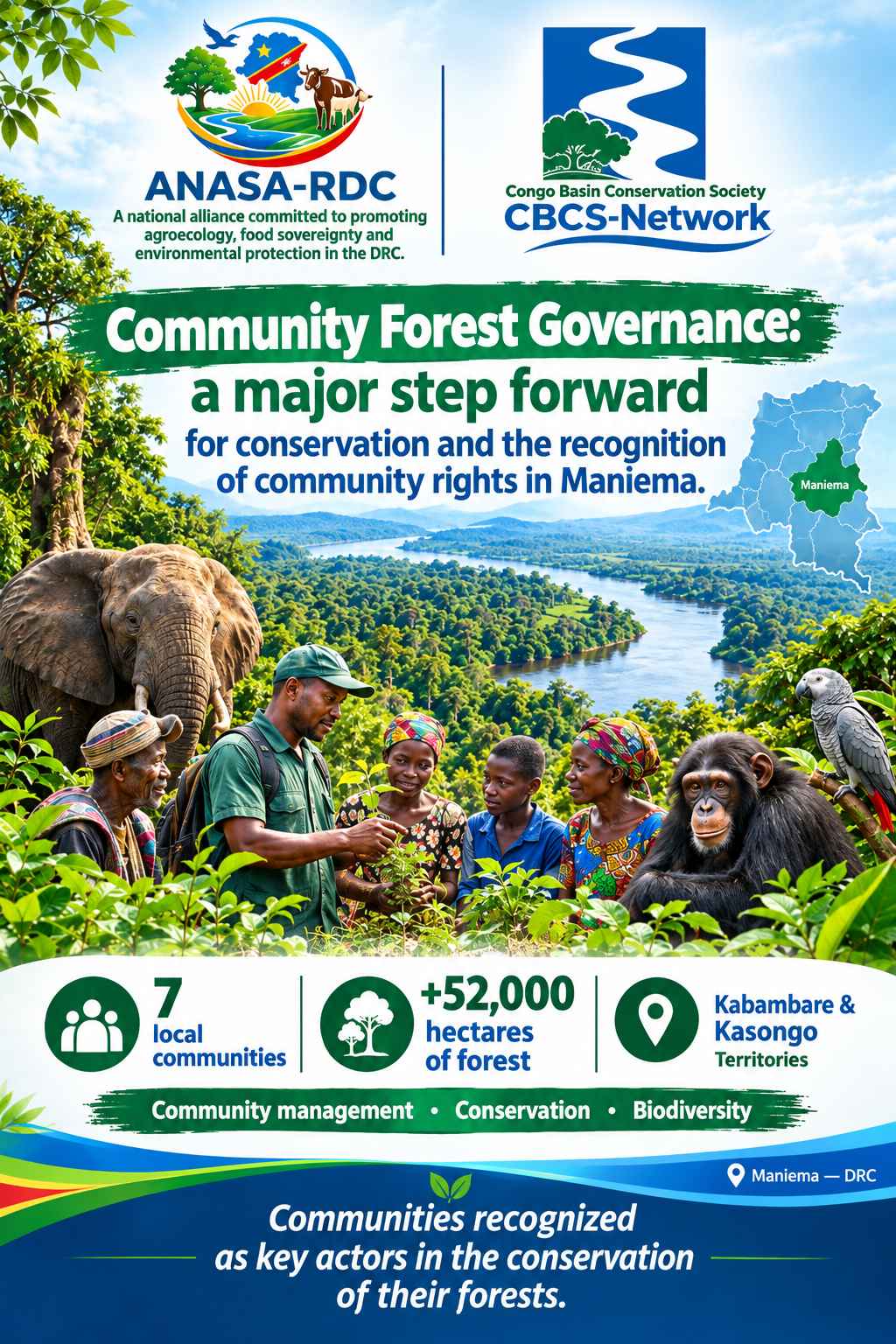
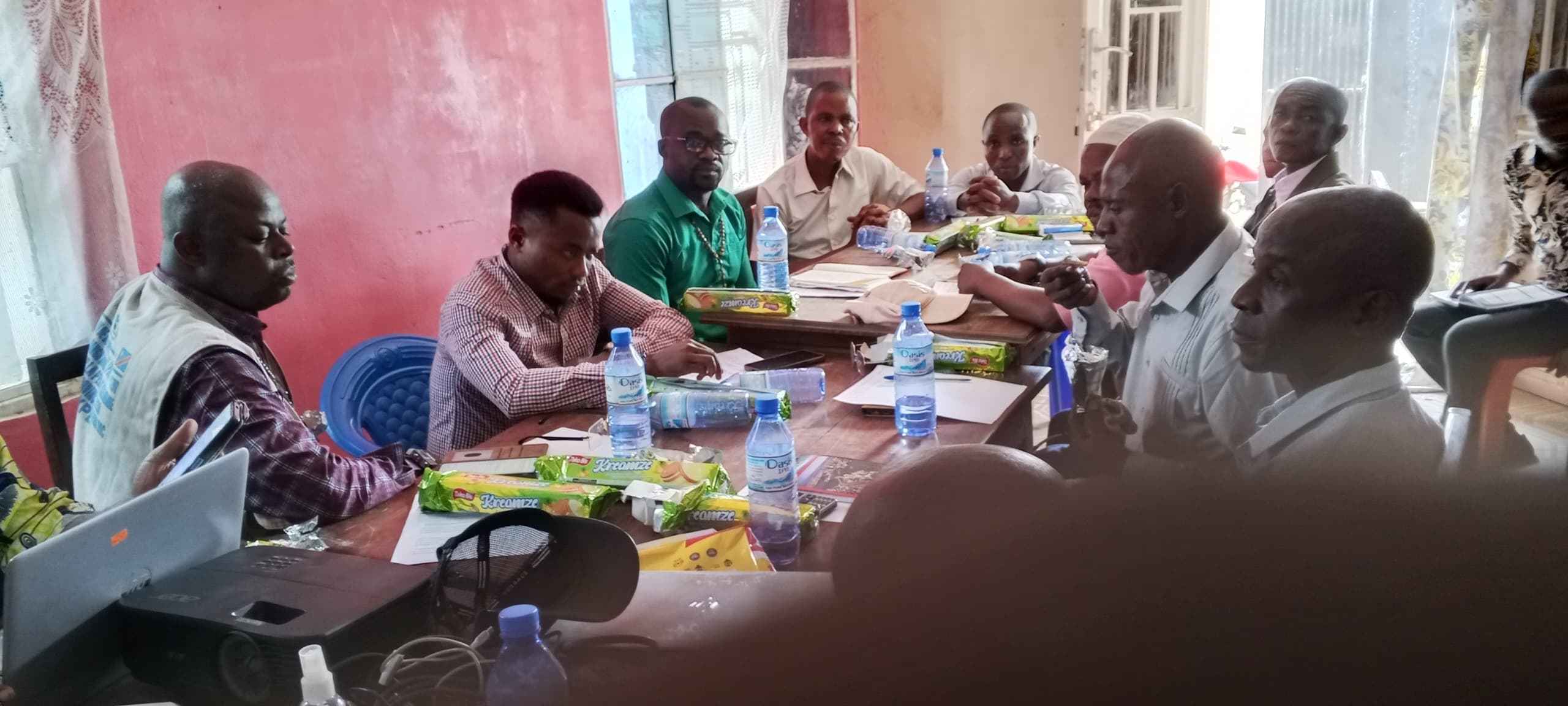
Maniema Province has taken a new step forward in community forest governance. Seven forest concessions covering a total of more than 52,000 hectares have been granted to seven local communities, including six in Kabambare Territory, in the BB Wamaza sector, and one in Kasongo Territory, in the Nonda Chiefdom.
The concessions concern the communities of Kaliumba (LUFINDI), Muhedja (ABADJA), Mulenda (BENYEYOZA), Risasi (LUSAMBI LWAKITITA), Lupanga (KANGULE), Musalay (KALUMBA), and Benyengundu Kyalula (NGUNDU KYALULA).
They were granted free of charge and in perpetuity, through decrees countersigned by the Governor of Maniema, Mussa Kabwankubi Moïse, and the Provincial Minister of Environment, Mutoro Tambwe Josué.
Recognition of the Role of Local Communities
This development comes in a context marked by the need to strengthen the participation of local communities in the management and protection of forest resources. It is notably the result of technical support and advocacy efforts carried out by Congo Basin Conservation Society (CBCS-Network) with provincial authorities.
For the beneficiary communities, these concessions represent much more than an administrative framework. They provide a legal mechanism to strengthen their involvement in the management of their forest territories and the protection of their natural resources.
“Thanks to the collaboration of the provincial authorities, a new era is opening today in Maniema. For the first time, the communities’ rights of use and enjoyment over their ancestral forests are fully recognized,” said Josué Aruna, Country Director of CBCS-Network.
Forests Under Pressure
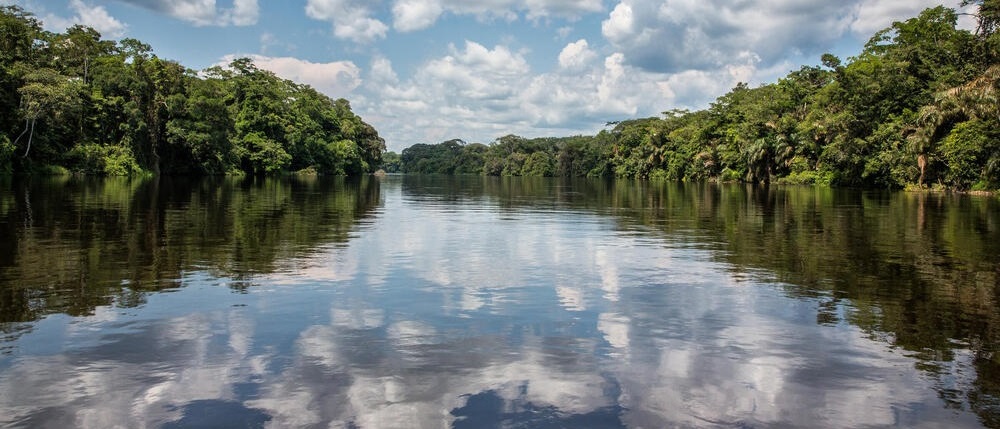
The areas concerned face various pressures, including logging and poaching. The forests are also home to significant biodiversity, including forest elephants, chimpanzees and grey parrots, as well as valuable tree species.
The recognition of community forest concessions therefore provides a framework for strengthening local mechanisms for monitoring, conservation and sustainable management of natural resources.
For local communities, the forest also represents a cultural and social heritage passed down from one generation to another. Its protection is closely linked to the preservation of livelihoods, identity and traditional knowledge.
Towards More Inclusive Forest Governance
Beyond legal recognition, the main challenge will now be the effective implementation of community management plans and mechanisms, as well as strengthening communities’ capacities to monitor and conserve their territories.
This process could also, subject to the applicable legal frameworks and rules, create opportunities for participation in climate-related initiatives and carbon mechanisms.
Through this initiative, the communities of Kabambare and Kasongo are expected to play an increasingly important role in protecting the forests and biodiversity of the Congo Basin, while contributing to the sustainable development of their territories.
For CBCS-Network, this experience demonstrates the importance of participatory forest governance in which local communities are recognized as key actors in the conservation and sustainable management of natural resources.
#CBCS

.png)




.jpeg)